wellness
Seoul's Sleep Clinics See Surge as Insomnia Diagnoses Rise
From Gangnam consultation rooms to Sinchon university hospitals, more Seoulites are finally getting their insomnia properly diagnosed.
How we reported this
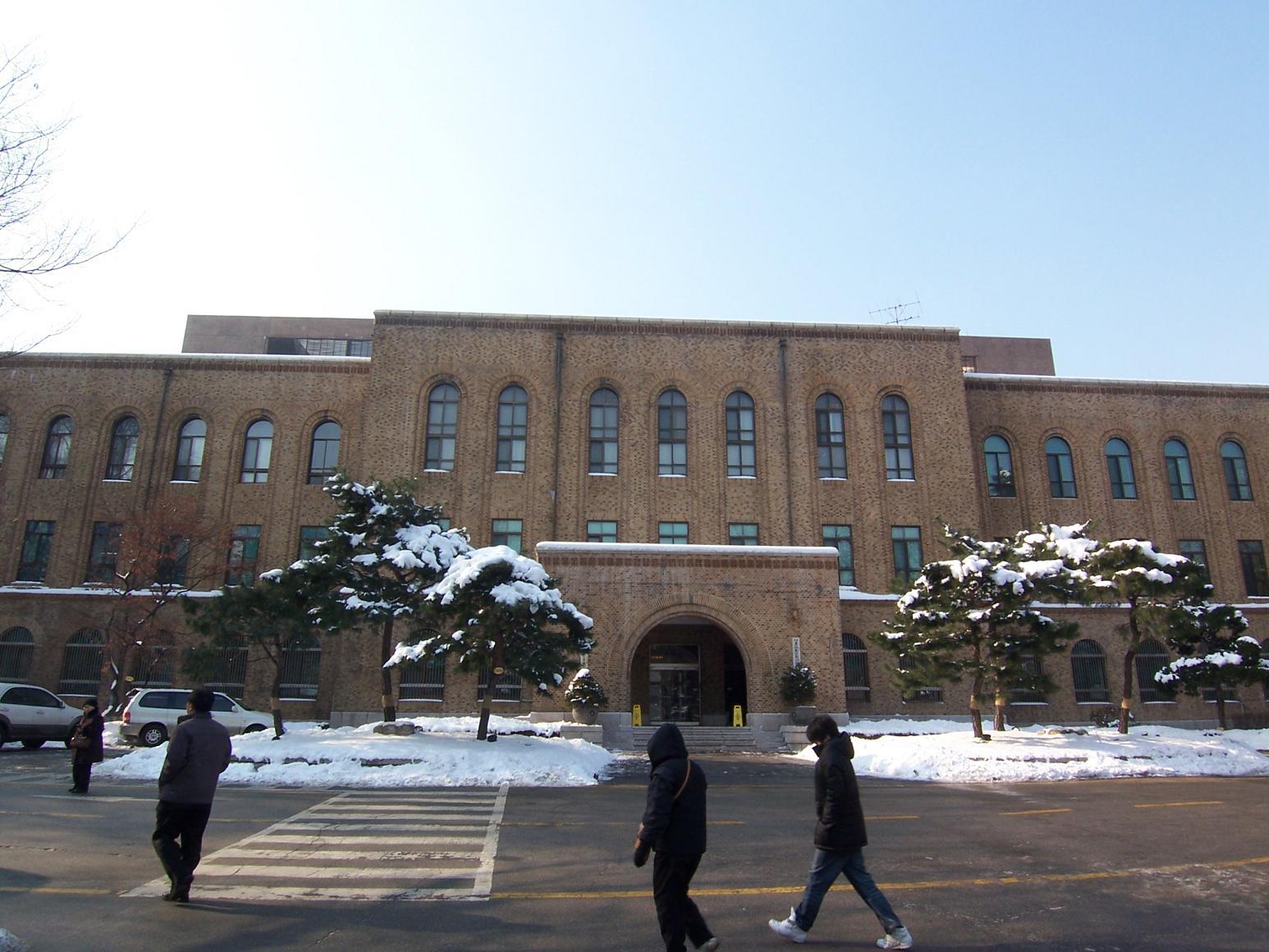
Sleep medicine departments at Seoul's major hospitals reported a 34 percent rise in outpatient consultations between 2023 and 2025, according to figures compiled by the Korean Sleep Research Society. The numbers tell a story most commuters on Line 2 already know instinctively: this city does not sleep well, and more people are doing something about it.
South Korea consistently ranks among the most sleep-deprived nations in OECD surveys, with average nightly sleep hovering around 6 hours 30 minutes, well below the 7-to-9-hour range recommended for adults by the World Health Organization. Late work culture, a school exam system that keeps teenagers at hagwons until 10 p.m., and the sheer noise and light density of a city of 9.7 million all contribute. What's changed in 2026 is the willingness to treat poor sleep as a medical problem rather than a personal failing.
Where to Go and What to Expect
Two facilities come up repeatedly when Seoul-based GPs make referrals. Seoul National University Hospital's Sleep Center, located within the sprawling Daehangno campus in Jongno-gu, runs a dedicated polysomnography unit, the formal term for an overnight sleep study, that books out roughly six weeks in advance. Patients spend a night wired to electrodes measuring brain waves, eye movement, muscle activity and blood oxygen, while technicians monitor from an adjacent room. The initial consultation costs around 50,000 won under National Health Insurance if referred by a primary care physician; the overnight study itself typically runs between 150,000 and 300,000 won after insurance, depending on complexity.
Across the river in Gangnam-gu, Asan Medical Center's neurology and sleep department on Olympic-ro offers a comparable service and has recently added a home sleep test option for patients suspected of having straightforward obstructive sleep apnea rather than more complex disorders. Home test kits, which measure breathing patterns and oxygen levels without requiring a hospital stay, rent for approximately 80,000 to 120,000 won per night and can be arranged within two weeks. For people who find the idea of sleeping in a clinical setting anxiety-inducing, which, somewhat ironically, is a significant proportion of insomnia patients, home testing is increasingly the entry point.
Private sleep clinics have also multiplied in Mapo-gu and Hongdae, catering to younger residents and the creative-industry workers who populate that neighbourhood. These clinics typically offer cognitive behavioural therapy for insomnia, known as CBT-I, which a growing body of research, including a 2024 meta-analysis published in The Lancet Psychiatry, identifies as more effective for chronic insomnia than sleep medication over the long term. A standard CBT-I programme runs six to eight weekly sessions and costs between 80,000 and 150,000 won per session at private clinics; some sessions are partially reimbursable if conducted by a licensed psychiatrist under NHI.
Hormones, Habits and Hard Data
Sleep specialists in Seoul are also fielding more questions about melatonin, which sits in a regulatory grey area in South Korea. Unlike in the United States, where melatonin supplements are sold freely at every pharmacy, Korean Food and Drug Safety Ministry guidelines classify it as a quasi-pharmaceutical, making it available only through a doctor's prescription or from licensed online platforms after a telehealth consultation. Demand for those consultations has spiked since early 2026, partly driven by social media content about circadian rhythm disruption.
The practical advice from sleep medicine departments is consistent: start with your primary care physician rather than self-diagnosing. A standard questionnaire, the Epworth Sleepiness Scale and the Pittsburgh Sleep Quality Index are both used widely across Seoul clinics, takes under ten minutes and gives a doctor enough information to decide whether a referral is warranted. Keeping a sleep diary for two weeks before any appointment significantly speeds up the diagnostic process.
Appointments at university hospital sleep centers can be booked through the hospital's online portals or by phone; Seoul National University Hospital's central booking line is a reasonable starting point for anyone in the northern half of the city. Residents in Gangnam and Seocho-gu tend to be directed toward Asan or Samsung Medical Center in Irwon-dong. Either way, the waiting lists are real, booking now, before the summer heat makes sleep even harder to come by, is not a bad idea.