wellness
Hot nights, bright screens and subway rumble: how temperature, light and noise are wrecking Seoul's sleep
As the Han River basin bakes through another muggy summer, researchers say the city's sensory environment is quietly dismantling the sleep health of millions.
Listen in English · 4 min
How we reported this
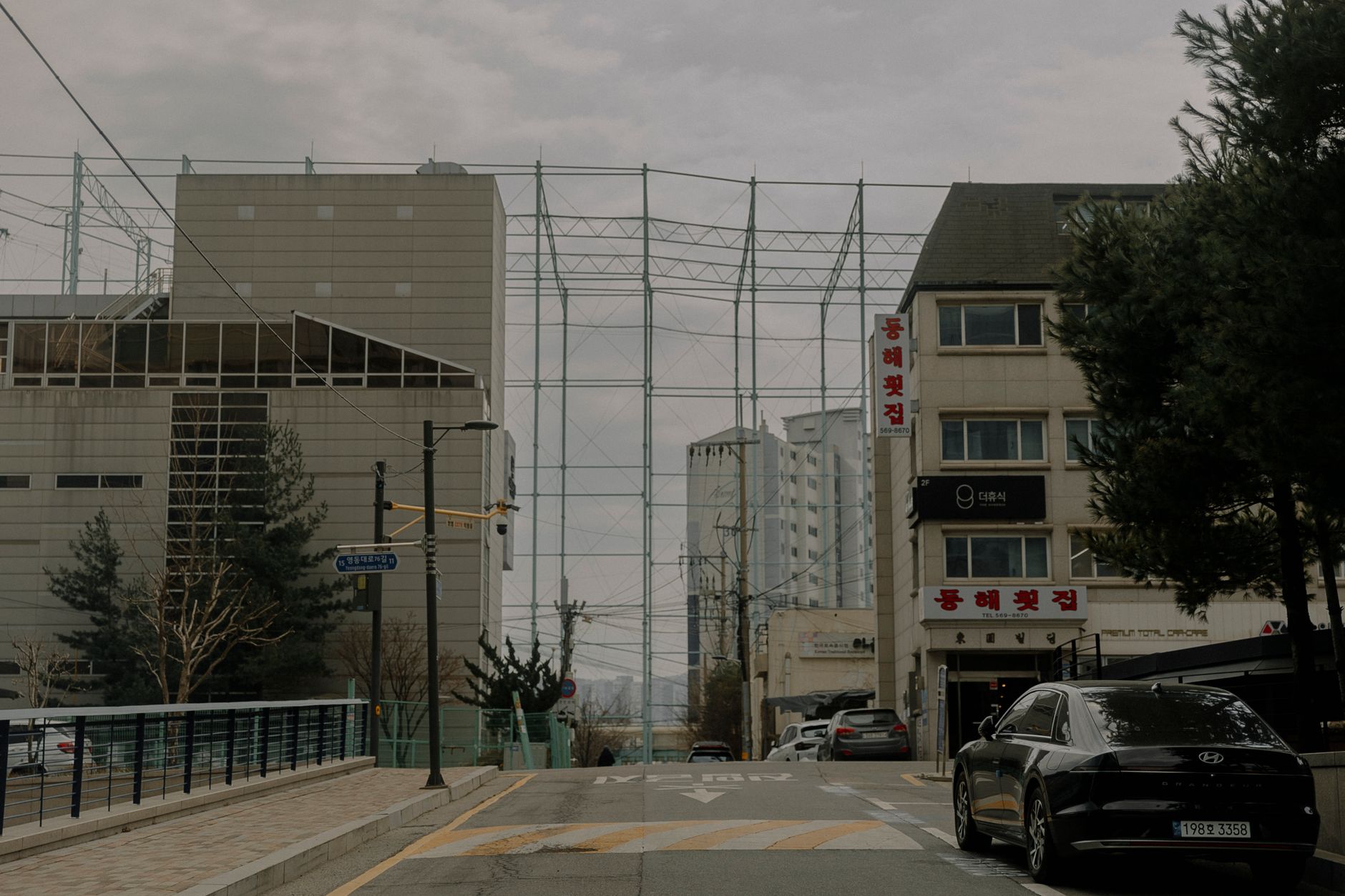
Seoul's average overnight low crept above 25°C for eleven consecutive nights last month, triggering what the Korea Meteorological Administration classifies as a tropical night event, and sleep clinics across Gangnam and Mapo districts reported a measurable spike in patient inquiries within days. The connection is not coincidental. Temperature, artificial light and ambient noise form a triad that sleep researchers now regard as the primary environmental threat to urban sleep quality, and Seoul, with its compressed geography and 24-hour commercial culture, stacks all three in unusual concentration.
The timing matters because South Korea is already running a sleep deficit by almost any global measure. A 2024 survey by the Korea Disease Control and Prevention Agency found that 36.4 percent of adults in Seoul reported sleeping fewer than six hours on weeknights, well below the seven-to-nine-hour window the World Health Organization recommends for adults. Pharmaceutical spending on sleep aids at major pharmacy chains including Olive Young and GS25 health counters climbed roughly 18 percent between 2023 and 2025, according to industry data published in the Korea Health Industry Development Institute's annual report. This summer's heat is arriving on top of a population that was already struggling.
The triple threat keeping Seoul awake
Temperature does the most immediate damage. The human body needs to drop its core temperature by roughly one to one-and-a-half degrees Celsius to initiate and maintain deep sleep. Above 26°C in the bedroom, that process stalls. For apartment dwellers in Nowon or Dobong-gu, where older building stock lacks central air and overnight ventilation is limited by street noise, the choice becomes fan noise or heat, neither ideal. Sleep medicine specialists at Seoul National University Bundang Hospital have been advising patients to set air conditioning between 18°C and 20°C and use a timer to avoid overcooling in the early morning hours, when the body's temperature regulation naturally shifts again.
Light is the second lever. Itaewon-ro and Hongdae's entertainment strip along Eoulmadang-ro stay commercially lit past 3 a.m. on weekends, and the blue-spectrum glow from those LED storefronts penetrates thinner curtains at a wavelength that actively suppresses melatonin production. Research published in the journal Current Biology in 2023 estimated that exposure to outdoor artificial light at night shortens sleep duration by an average of 28 minutes, a figure that compounds across a working week into something clinically significant. Blackout curtain sales on Coupang reportedly doubled in the 12 months to March 2026, suggesting Seoulites are already voting with their wallets on this one.
Noise rounds out the triad. Seoul's subway system, specifically Lines 2 and 9, which run elevated sections through Sindorim and Gayang, generates peak trackside noise levels measured at 72 to 78 decibels during rush hours, residual vibration that residents within 80 metres of elevated tracks describe as continuing well into the evening. The World Health Organization's environmental noise guidelines set 40 decibels as the outdoor nighttime limit for sleep protection. Seoul's own environmental white noise data, published by the Seoul Metropolitan Government in its 2025 urban noise management plan, acknowledged that 23 percent of residential zones in the city exceed recommended nighttime thresholds.
What you can actually do about it
The Seoul Sleep Center at Boramae Medical Center in Dongjak-gu runs a structured sleep hygiene program that addresses all three environmental factors, not just insomnia as a standalone symptom. Their eight-week cognitive behavioural therapy for insomnia course, which costs approximately 120,000 won per session under partial national health insurance coverage, incorporates bedroom temperature audits alongside light restriction protocols. Appointments for July and August are reportedly booked several weeks out.
For those unwilling or unable to wait, the practical toolkit is straightforward. Keep bedroom temperature below 20°C, install blackout fabric, not just blackout-labelled curtains, which vary widely in opacity, and run a white noise application at between 50 and 60 decibels to mask intermittent traffic spikes rather than simply adding to the ambient sound floor. The Mapo-gu Health Centre on Mapo-daero runs free monthly wellness consultations that now include sleep environment assessments, with the next session scheduled for July 22. Given that sleep debt accumulates neurologically in ways that a single long weekend cannot reverse, getting the bedroom's physical environment right before the peak of monsoon season is not optional maintenance, it is the work.