Thursday, July 23, 2026
The Daily Seoul

Local Information. Every Day.

One Transparent Intelligence Layer. Multiple Sources. Worldwide.

Compare. Understand. Decide.

wellness

Seoul's Sleep Crisis Deepens as OECD Ranks City Lowest

From Gangnam to Mapo-gu, Seoulites are clocking some of the shortest sleep hours in the OECD, and the reasons go deeper than late-night work culture.

By Seoul Wellness Desk · Published July 23, 2026

How we reported this

Written by AI from the linked sources and not reviewed by a journalist before publishing. Sources are linked where available. Spotted an error or need a correction? Contact [email protected].

Seoul's Sleep Crisis Deepens as OECD Ranks City Lowest
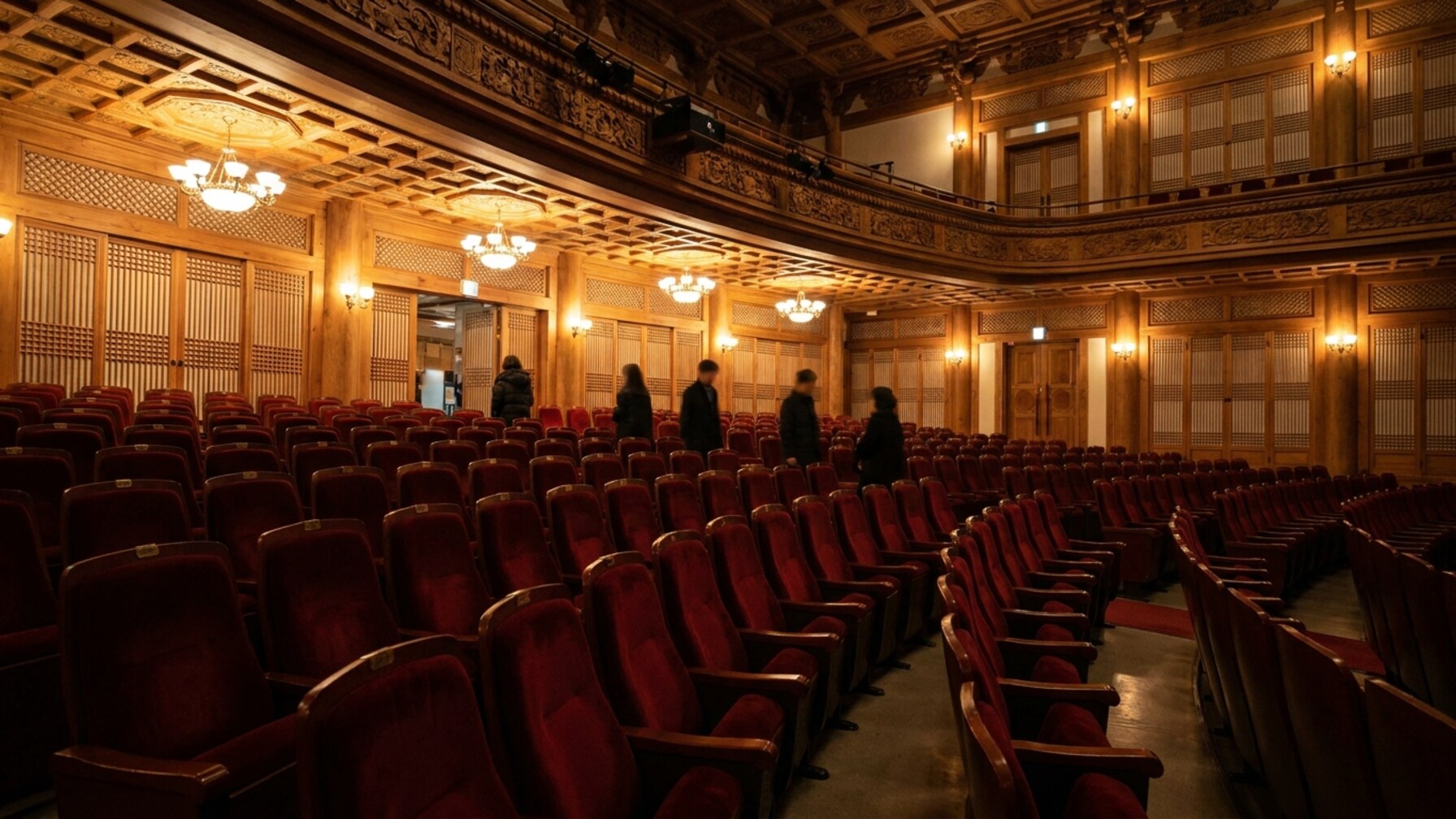
Photo by KOREA.NET - Official page of the Republic of Korea / Flickr (CC BY-SA 2.0)

South Korea sleeps less than almost anyone. The OECD's 2024 time-use data put the average Korean adult at roughly 7 hours 51 minutes of sleep per night, well below the recommended eight-to-nine hours and trailing France, the United States and even Japan, which has its own storied insomnia problem. In Seoul, anecdotal and clinical evidence suggests the capital drags the national average down further still.

The timing matters. July 2026 brings a specific convergence of pressures that sleep researchers have flagged for years: the city is deep into a humid summer that pushes overnight temperatures above 26°C in districts like Nowon-gu and Dobong-gu, where older apartment stock lacks adequate ventilation. Heat alone fragments sleep architecture, cutting into the slow-wave stages the body uses for physical repair. Layer onto that the enduring culture of late-night screen use and the economic anxieties gripping a generation of younger Seoulites locked out of property ownership, and the picture gets grim fast.

What Is Actually Breaking Seoul's Sleep

The causes split into three categories: environmental, behavioural and hormonal. On the environmental side, light pollution along Teheran-ro in Gangnam-gu, where office towers and neon advertising run through the night, measurably suppresses melatonin production in surrounding residential blocks, according to a 2023 Seoul Metropolitan Government air and light quality audit. Melatonin, the hormone that cues the brain toward sleep onset, is exquisitely sensitive to blue-spectrum light; even reflected glare through a thin curtain is enough to delay its release by 30 to 90 minutes.

Behaviourally, the problem is the phone. The Korea Information Society Development Institute reported in late 2025 that adults in the Seoul Capital Area averaged 4 hours 22 minutes of smartphone use per day, with a significant spike occurring between 10 p.m. and midnight. That is precisely the window when the brain should be winding toward sleep. Clinicians at the Seoul Sleep Center in Mapo-gu, one of the city's busiest outpatient sleep clinics, with a reported six-week waiting list as of June 2026, say the majority of new patients present not with diagnosable disorders like apnea but with what staff describe as learned hyperarousal: a nervous system so habituated to stimulation that it can no longer idle down on its own.

Then there is the hormonal dimension. Interest in hormone therapy has grown sharply across East Asia, partly driven by broader global conversations about testosterone, melatonin supplementation and HRT for perimenopausal women. At Gangnam Severance Hospital's sleep medicine unit, staff have noted a surge in patients requesting melatonin assessments, though clinicians caution that over-the-counter melatonin, widely available in the United States and parts of Europe, remains a prescription item in South Korea and should not be self-administered without professional evaluation.

What Sleep Specialists and Wellness Programs Are Recommending

Practical intervention starts cheap and local. The Seoul Metropolitan Government's 2026 Urban Wellness Initiative, launched in April and operating out of community health centres in 25 districts, now includes structured sleep hygiene workshops, free of charge, for residents over 19. The Seodaemun-gu branch on Tongil-ro runs sessions every Tuesday evening; the Yongsan-gu centre near Itaewon Station holds a monthly clinic specifically for shift workers, a demographic chronically underserved by standard sleep advice.

The evidence base for behavioural approaches is solid. A meta-analysis published in Sleep Medicine Reviews in March 2026 found that Cognitive Behavioural Therapy for Insomnia, CBT-I, outperformed sleep medication at the 12-month mark in roughly 80 percent of trials reviewed. Several Seoul-based providers now offer CBT-I digitally; the Naver Health platform added a Korean-language CBT-I programme in January 2026 at ₩29,000 per month.

The immediate steps are unglamorous but effective. Keep the bedroom below 19°C where air conditioning allows. Dim screens two hours before bed or switch to a warm-colour mode. Avoid caffeine after 2 p.m., a discipline that runs against the grain in a city where convenience store iced Americanos are a post-dinner ritual. And if symptoms persist beyond three weeks, the Seoul Sleep Center and Asan Medical Center's sleep disorders clinic in Songpa-gu both accept self-referrals. The waiting lists are long, but the alternative, compounding sleep debt until cognitive and cardiovascular health deteriorate, is longer.

References Sourced but Not Limited to:

Beta · AI-assisted · human oversight

Your newsroom. Shaped by you.

The Daily Seoul is in beta. AI may assist with research, summarising and drafting. Automated checks assess sourcing, accuracy and editorial risk before publication, and sensitive material is held for human review. Spotted something off, or want us covering a topic? Tell us. Your feedback is entirely optional and helps shape what we publish next.