wellness
Seoul's Seniors Are Outwalking the World, But the Wellness Gap Is Still Wide
South Korea's ageing population is embracing active mobility at record rates, yet global trends suggest the capital still has ground to cover.
How we reported this
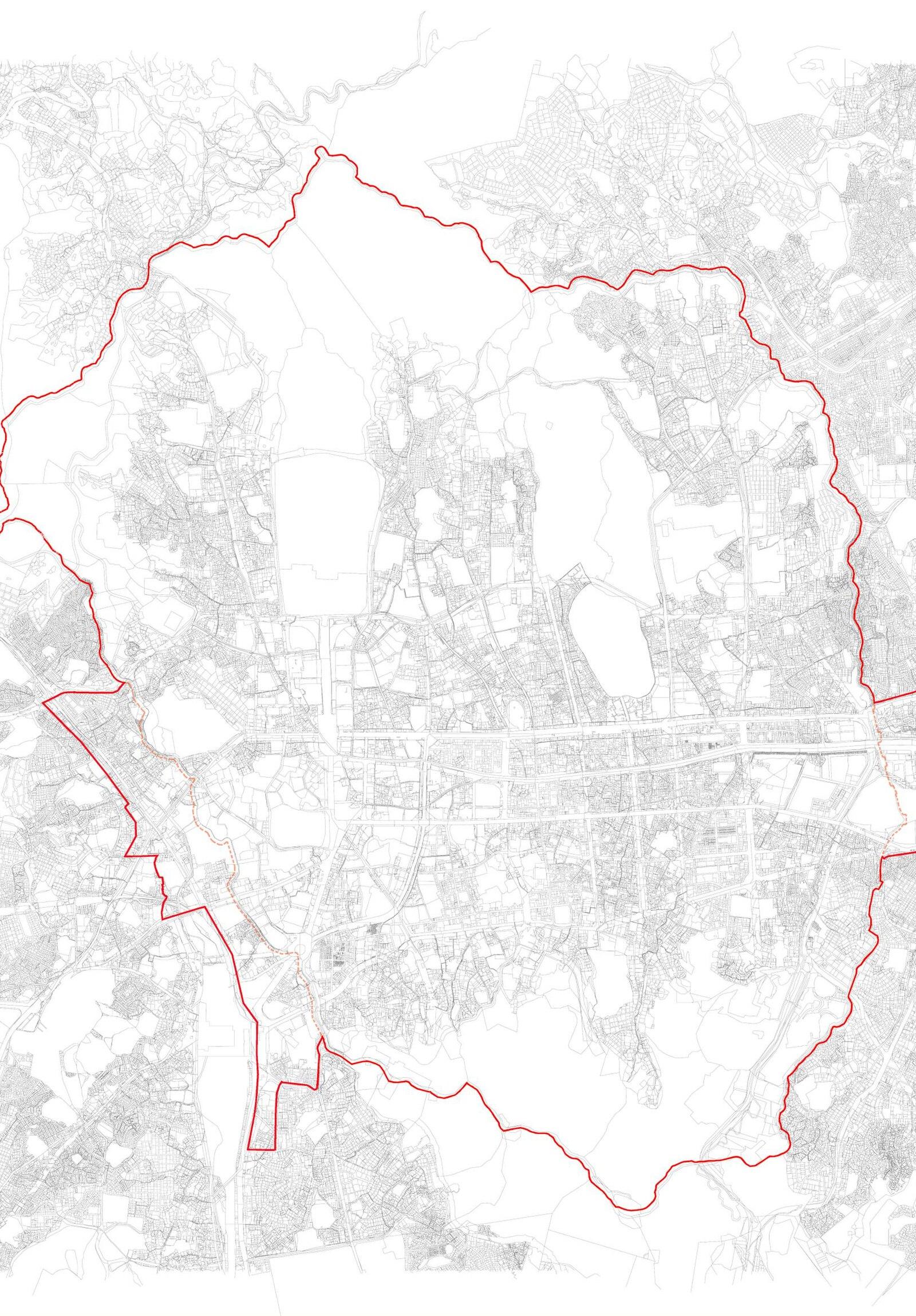
More than 1.8 million Seoul residents are now aged 65 or older, a figure that crossed that threshold for the first time in 2025 according to Statistics Korea. That demographic shift is reshaping everything from subway design to morning exercise culture, and it is forcing a hard look at whether the city's wellness infrastructure can keep pace with what is happening in comparable global cities.
The timing matters. Across East Asia and Europe, governments are racing to attach active-ageing policy to public health budgets before spiralling care costs make intervention too late. Japan's government has operated its Keiro no Hi national elder-care framework for decades, and cities like Tokyo have embedded outdoor fitness zones into virtually every neighbourhood park since the early 2010s. Seoul has moved faster than many give it credit for, but the gap between infrastructure and uptake remains stubbornly visible.
What Seoul Is Actually Doing
The city's most visible commitment sits along the Jungnang Stream trail in Nowon-gu, where Seoul Metropolitan Government installed a dedicated Silver Fitness Circuit in March 2024, low-impact resistance equipment, balance beam pads and rest benches spaced every 80 metres. The circuit attracted more than 4,000 registered users in its first three months, according to the district office. A similar setup runs through Boramae Park in Dongjak-gu, where the Dongjak Senior Wellness Centre runs a free Wednesday morning mobility class drawing roughly 120 participants a week.
The Seoul50Plus Foundation, which operates six campuses across the city including flagship locations in Mapo-gu and Jongno-gu, has expanded its physical activity programming by 34 percent since January 2025. Its Mapo campus alone now offers nine weekly exercise sessions, covering yoga, aqua-stretching and Nordic walking, all free to residents registered with a local-gu office. Nordic walking, notably, has been the standout growth area, mirroring a trend that exploded across Scandinavian cities nearly a decade ago but is only now hitting mainstream uptake in Seoul.
Global Benchmarks and the Gaps They Reveal
The comparison with European cities is instructive but not flattering in every dimension. Glasgow's community health model, which embedded social prescribing, including structured physical activity, directly into GP referral pathways, has been studied intensively since the mid-2010s. Seoul has no equivalent city-wide GP referral system that formally links primary care doctors to community exercise programs. Patients with mobility concerns are largely self-directed toward services they often don't know exist.
Hormone health is one area where the global conversation has accelerated sharply in 2026, with clinicians in Europe and North America pushing testosterone and HRT discussions firmly into elder-care planning. In Seoul, the Korean Society of Menopause held its annual conference at COEX in Gangnam-gu in May 2026, where several presentations specifically addressed the relationship between hormonal health and muscle retention in adults over 60. Sarcopenia, age-related muscle loss, affects an estimated 30 percent of South Koreans over 70, a statistic from a 2023 Korean Geriatrics Society study that is still cited in nearly every active-ageing policy brief circulating at City Hall this year.
Cost remains a friction point. Private senior fitness studios in Gangnam charge between ₩80,000 and ₩150,000 per month for tailored mobility programmes, pricing that excludes lower-income older residents concentrated in districts like Dobong-gu and Nowon-gu. Public programmes fill part of that gap, but waiting lists at several Seoul50Plus campuses have stretched to six weeks for popular sessions.
For older Seoul residents looking to engage now, the practical entry points are clearer than they have ever been. The Seoul Active Ageing Portal, accessible at senior.seoul.go.kr, lists district-by-district programme availability updated weekly. Walking groups affiliated with the Bukhansan National Park rangers depart from the Ui-dong entrance every Tuesday and Saturday morning at 7 a.m., open to all fitness levels and free of charge. The Dongjak Senior Wellness Centre accepts walk-in registration on Mondays. Anyone managing a specific mobility condition should consult a local physician before starting a new programme, the infrastructure is there, but personalised medical guidance remains the essential first step.