wellness
Mindfulness in schools: what local programs are available
Seoul classrooms are quietly embracing meditation and breathwork, but access remains uneven across the city's 25 districts.
How we reported this
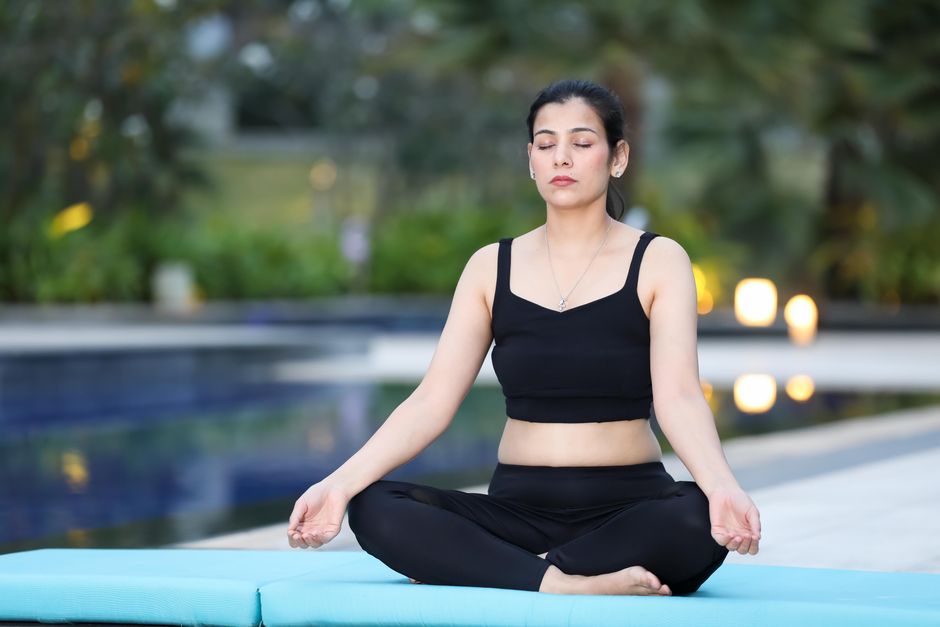
Seoul's public school system is rolling out structured mindfulness programming to tens of thousands of students this year, with the Seoul Metropolitan Office of Education confirming that 47 elementary and middle schools participated in its Maeum Chaeumhagi (마음채움하기) pilot initiative during the 2025-2026 academic year. The program, which translates loosely as 'filling the mind,' targets students aged 9 to 14 and delivers two 40-minute sessions per week of guided breathing, body-scan exercises and journaling.
The timing is not accidental. South Korea's adolescent mental health statistics have been alarming educators and policymakers for several years. The Korea Disease Control and Prevention Agency's 2024 Youth Health Survey found that 28.6 percent of middle and high school students reported persistent sadness or hopelessness lasting two or more weeks, the highest figure recorded since the survey began in 2005. Against that backdrop, school administrators across Gangnam-gu, Mapo-gu and Nowon-gu have been under significant pressure to add something more than academic counselling to their pastoral care toolkit.
What's actually running inside Seoul classrooms
The most established school-based program currently operating in Seoul is run by the nonprofit Mindful Korea, headquartered near Gyeongbokgung Station in Jongno-gu. The organisation has trained more than 320 classroom teachers since 2021 in a curriculum adapted from the UK's Mindfulness in Schools Project, localised to reflect Korean educational norms, including adjustments for the competitive exam culture around the suneung. Teachers who complete the 18-hour certification course receive a classroom toolkit with laminated cue cards, audio guides in Korean, and a parent communication template.
Separately, the Eunpyeong-gu district office launched its own 'Calm Classroom' project in March 2026 in partnership with three local elementary schools along the Susaek-ro corridor. That district-level initiative costs families nothing, it is funded through a 45 million won community mental health grant, and includes a monthly Saturday session where parents can try the same five-minute breathing protocols their children use Monday mornings. Uptake has been strong enough that Eunpyeong-gu officials have already indicated they intend to expand to four additional schools by the spring 2027 semester.
Private options also exist for families who want more intensive programming. The Seoul Mindfulness Center in Mapo-gu's Yeonnam-dong neighbourhood offers a six-week after-school course for children aged 8 to 13, priced at 180,000 won per child for the full block. Sessions run Tuesday and Thursday afternoons at their Donggyo-ro studio space. Enrolment for the September cohort opens on August 1.
The evidence question and what parents should ask
Whether school-based mindfulness actually moves the needle on student wellbeing is a genuinely contested question in the research literature. A 2022 meta-analysis published in Psychological Bulletin covering 36 randomised trials found modest but statistically significant reductions in anxiety symptoms among school-age children who completed structured mindfulness programs, an average effect size of 0.30 compared to control groups. Critics point out that most strong studies were conducted in the United States and Western Europe, and that cultural transfer requires careful adaptation rather than direct import.
Korean child psychiatrists have been cautiously supportive, but most stress that school mindfulness should complement rather than substitute for professional mental health services, particularly for students showing signs of clinical anxiety or depression. The Seoul National University Hospital child psychiatry department at its Bundang campus has published internal guidance recommending that schools screen for at-risk students before enrolling them in group-based programs, to avoid the rare cases where intensive introspection can worsen symptoms in vulnerable individuals.
Parents interested in enrolling their children should first check with the school's wonsang (school counsellor) about whether a formal program is already in place, many schools are running sessions quietly without advertising them in newsletters. For families in districts not yet covered, Mindful Korea maintains a publicly searchable map of trained teachers on its website and accepts enquiries by phone at its Jongno-gu office on weekdays between 10am and 5pm. The Seoul Metropolitan Office of Education is expected to announce the expanded list of participating schools for the 2026-2027 school year by September 15.