things-to-do
Gwangjang Market’s Layers of Trade and Food in Jongno
Gwangjang Market brings a long trading history, varied goods and a dedicated food street together at one Jongno address.
Listen in English · 4 min
How we reported this
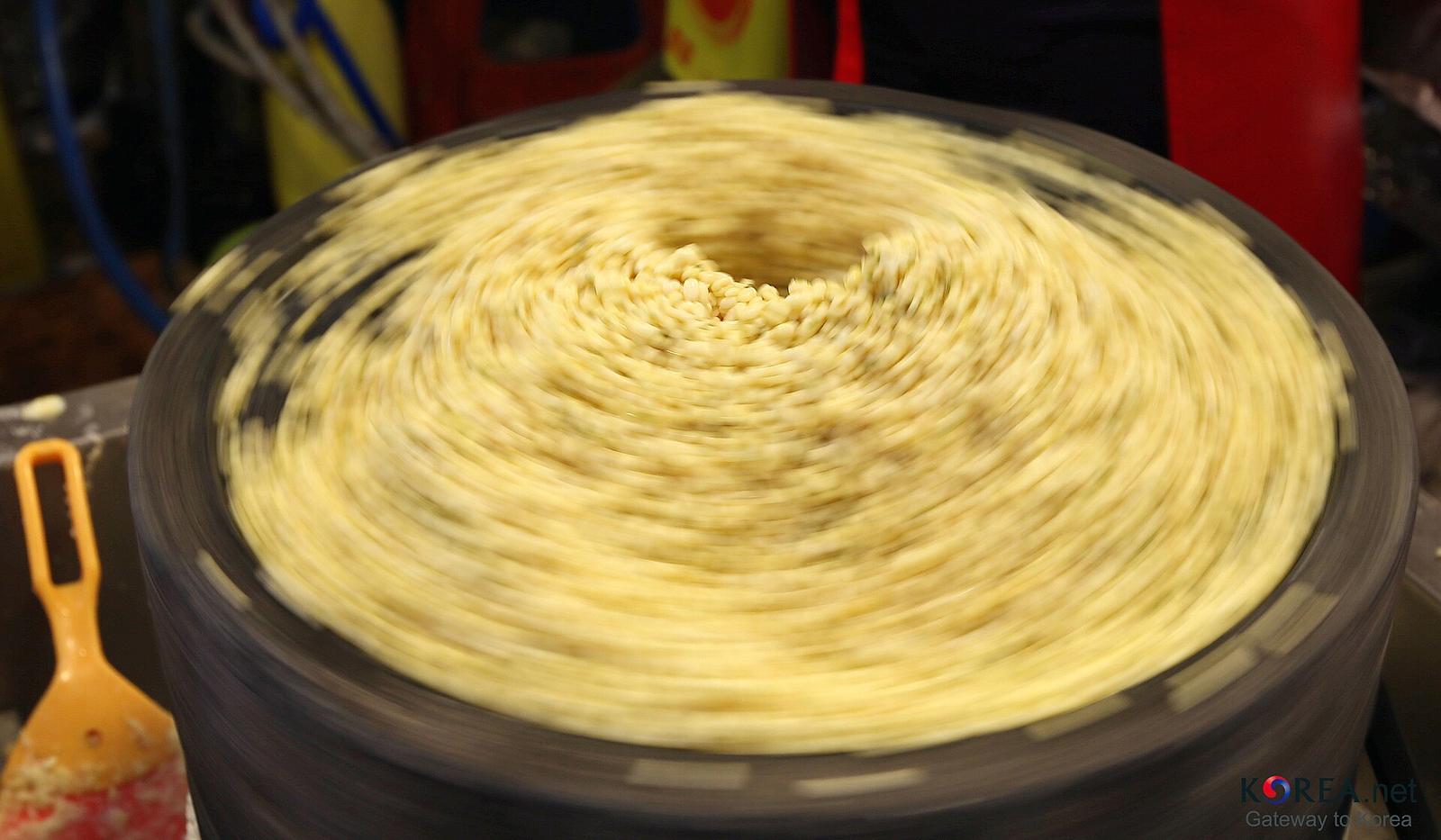
Gwangjang Market gives Seoul a destination where trade and food occupy the same address. The Korea Tourism Organization places the market at 88 Changgyeonggung-ro in Jongno-gu and describes its growth from a small trading centre into a large wholesale market. That history gives the visit a clear sense of continuity before a visitor even begins to move through the stalls.
The market’s character comes from variety. The official listing names upholstery, imported goods, groceries, dried fish and traditional goods among the things sold there. Its product information adds silk, dress material, fashion apparel, agricultural crops and fisheries, bedding, handicrafts and lacquerware inlaid with mother-of-pearl. The result is a destination shaped by different forms of everyday commerce rather than one narrow speciality.
That range changes how the market is best approached. A visitor can look at the materials and goods as a record of practical life, then shift toward the food street for a more immediate social atmosphere. The market does not need an invented story to feel layered. Its official description already connects wholesale trade, traditional goods and a popular food area.
The food street is connected to the East Gate, North Gate 2 and South Gate 1. Those entrances provide simple orientation points within the larger market and make the food area easier to locate. The listing describes a wide range of menus, so the food street reads as a part of the market’s identity rather than a separate venue attached to it.
The name Gwangjang carries the idea of gathering goods from afar and keeping them together. That plain meaning fits the market’s described history: goods from nearby regions first came into a small trading centre, and the destination later grew into a large wholesale market. The explanation is useful because it links the name to the market’s commercial character without requiring a quotation.
The market also has a different rhythm from a single shop or restaurant. General trading activity, charity stores and the food street are listed with their own operating periods, and Sundays are noted as a holiday while the food street remains open throughout the year. Visitors should therefore think of the destination as several connected parts rather than assume every section follows one identical pattern.
Parking is available at Jongno 4(sa)-ga Jongmyo Parking Lot, and the listing says cards are accepted. Those small practical details support a more deliberate visit, especially when the plan includes time for both the goods and the food street. They also keep the article grounded in information attached to the market itself.
For a Seoul day in Jongno, Gwangjang Market offers a route through commerce, materials and eating. Start with the broad market character, notice the different goods, then use the named gates to find the food street. The official listing provides enough history and spatial detail to make the visit specific without naming individual stalls or inventing prices.