sport
Seoul's Grassroots Football Clubs Surge in Membership
Neighbourhood teams across the capital are building unprecedented community connections, challenging the dominance of professional leagues.
Listen in English · 4 min
How we reported this
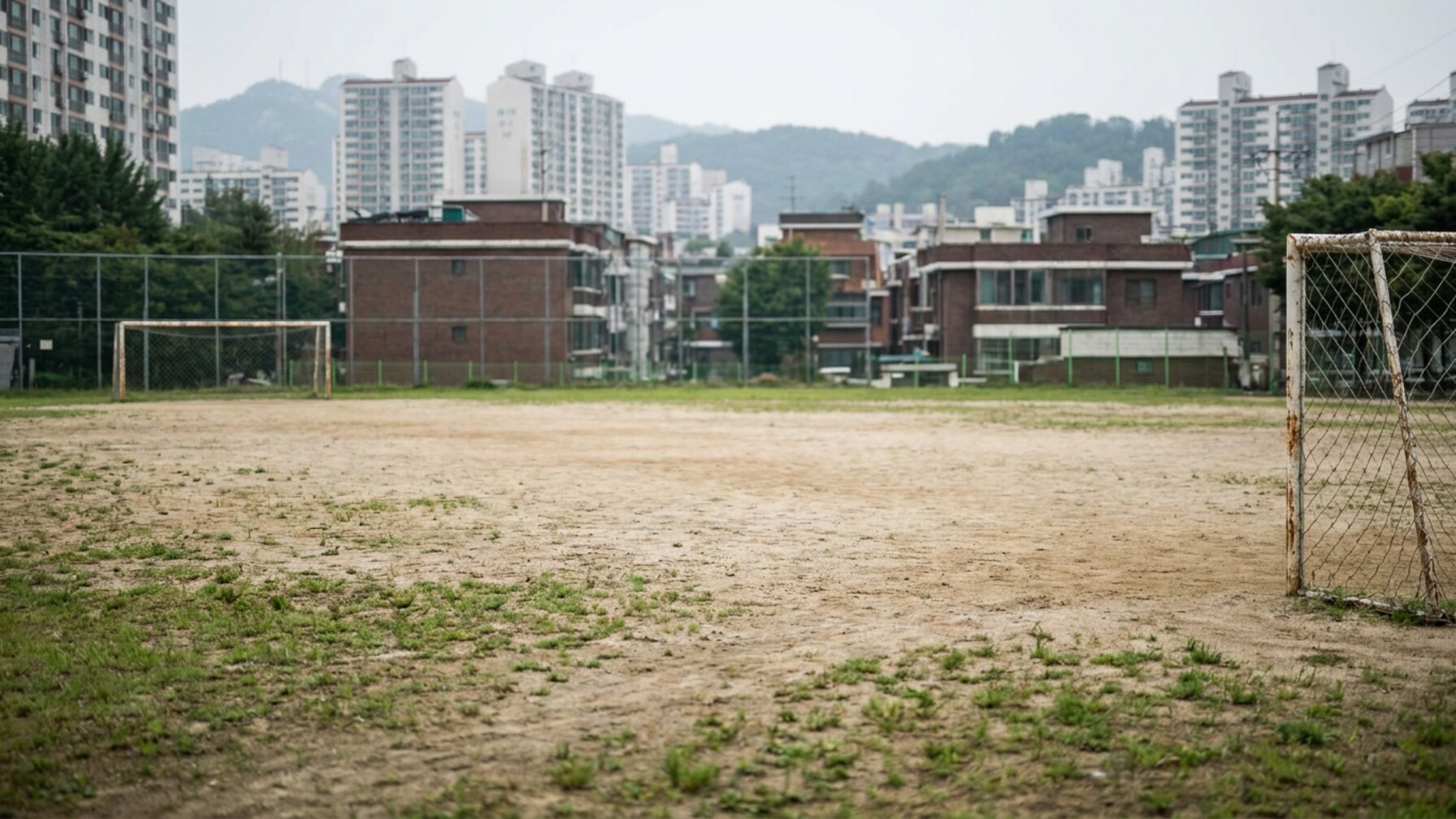
In the verdant parks of Gangnam-gu and along the Han River's cycling paths, Seoul's community football clubs have become unexpected anchors of neighbourhood identity. What began as modest weekend kickabouts has evolved into a structured movement, with amateur and semi-professional clubs reporting 40 per cent membership growth over the past 18 months-a striking development amid broader global uncertainty.
Clubs operating in traditionally disconnected districts like Nowon-gu and Songpa-gu have discovered that football transcends the traditional supporter experience. The Mapo FC Community Alliance, headquartered near the Hongik University area, now boasts over 2,000 registered members across four age categories. Their weekly training sessions at Seokchon Park attract not just players, but families who use adjacent facilities, creating what administrators call "accidental community building."
"Football gives people a reason to show up consistently," explains the operational framework of these clubs, which typically charge membership fees between 50,000 and 120,000 won monthly-far below professional league ticket prices. This accessibility matters in Seoul's competitive leisure economy, where disposable income competes with countless entertainment options.
The model has proven particularly effective in districts where apartment-block living can feel isolating. Gangbuk-gu's Suseong United has transformed a neglected municipal pitch near Gireum Station into a de facto community hub. Beyond matches, clubs now host coaching clinics for schoolchildren, organise charity fundraisers, and facilitate inter-district tournaments that draw hundreds of spectators.
Local government support has accelerated this trend. Seoul's district offices increasingly recognise these clubs as cost-effective social infrastructure, providing pitch access and modest grants. The Jongno-gu Sports Council documented that residents who joined football clubs reported 35 per cent higher satisfaction with their neighbourhood environment compared to control groups.
This grassroots resurgence contrasts sharply with the consolidation in professional football, where two major Seoul clubs command disproportionate media attention and corporate resources. Yet amateur football's expansion suggests appetite for participation over spectatorship-a shift with implications for how the city thinks about sport's social function.
As Seoul grapples with demographic challenges and neighbourhood fragmentation common to mega-cities, these clubs offer an unexpectedly practical answer: organised football, managed locally and priced accessibly, creates the scaffolding for community that neither corporate sport nor passive leisure can replicate. For residents seeking both athletic outlet and genuine connection, Seoul's neighbourhood pitches have become precisely what modern urban life requires.
This article was compiled by AI and screened before publishing. See our editorial standards.