property
Seoul Apartment Prices Stabilize as Demand Surges in 2026
After two years of price corrections, Seoul's apartment market is stabilising in 2026, with renewed demand in key districts driven by infrastructure upgrades and limited new supply.
Listen in English · 3 min
How we reported this
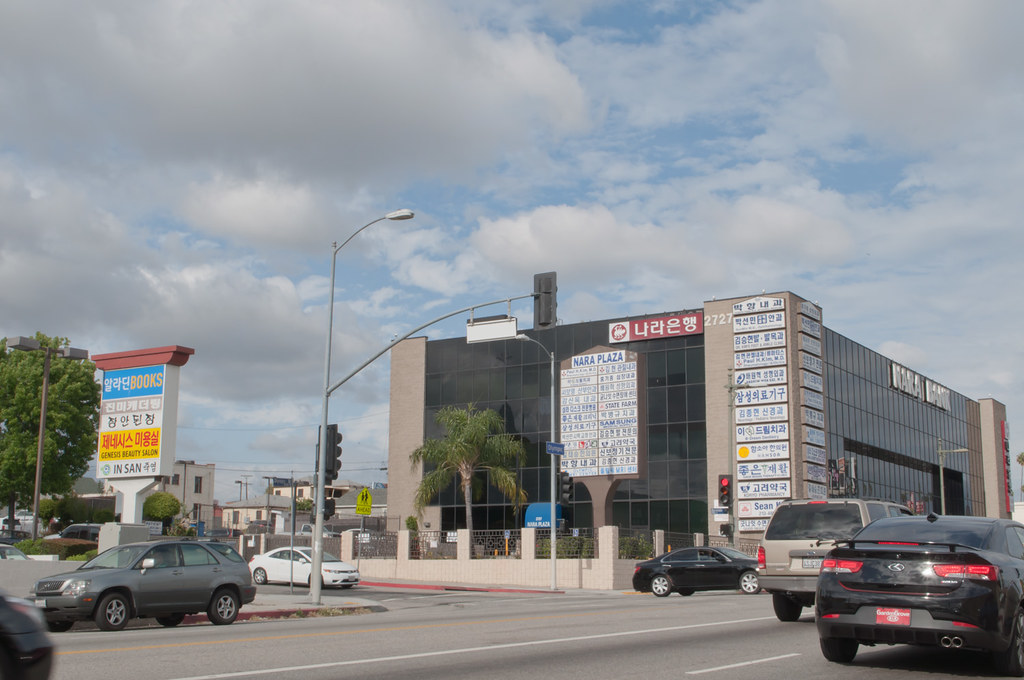
Seoul's property market has navigated a turbulent cycle since the peak of 2021, when ultra-low interest rates drove apartment prices in Gangnam to record highs. The Bank of Korea's successive rate increases through 2022 and 2023 cooled demand sharply, and median apartment prices in the capital fell by roughly 15 to 20 percent from peak levels. By early 2026, however, transaction volumes have begun recovering as rates stabilise and pent-up demand from younger households re-enters the market. The Korea Appraisal Board reports that apartment prices in key districts such as Seocho, Gangnam, and Mapo registered modest quarter-on-quarter gains in Q1 2026.
Supply constraints continue to support the long-term outlook for Seoul real estate. The city's strict greenbelt regulations limit outward expansion, while redevelopment of older apartment complexes built in the 1980s and 1990s takes years to navigate planning approvals. Areas undergoing major infrastructure investment, including the extension of GTX rapid transit lines and the redevelopment of the Yongsan railway corridor, are attracting particular attention from investors. Yongsan, once a logistics hub, is being transformed into a mixed-use precinct with new parks, retail, and high-rise residential towers expected to complete between 2026 and 2029.
For overseas buyers, South Korea's property market remains relatively open, though recent tightening of mortgage lending standards and limits on non-resident purchases in designated speculation zones require careful due diligence. Rental demand is robust in university districts such as Sinchon and Anam, where jeonse (lump-sum deposit) leases remain the dominant tenure arrangement. Analysts at Korea Real Estate expect Seoul apartment prices to finish 2026 up three to five percent year on year, underpinned by tight supply and gradually recovering buyer sentiment.
This article was compiled by AI and screened before publishing. See our editorial standards.
This article is general information only and is not personal financial or investment advice. Consider your own circumstances and seek licensed professional advice before making financial decisions.