property
Seoul Renters Invest Elsewhere as Housing Prices Surge
As housing prices continue to climb, more Seoul residents are opting to rent their homes in the city while investing in property elsewhere.
How we reported this
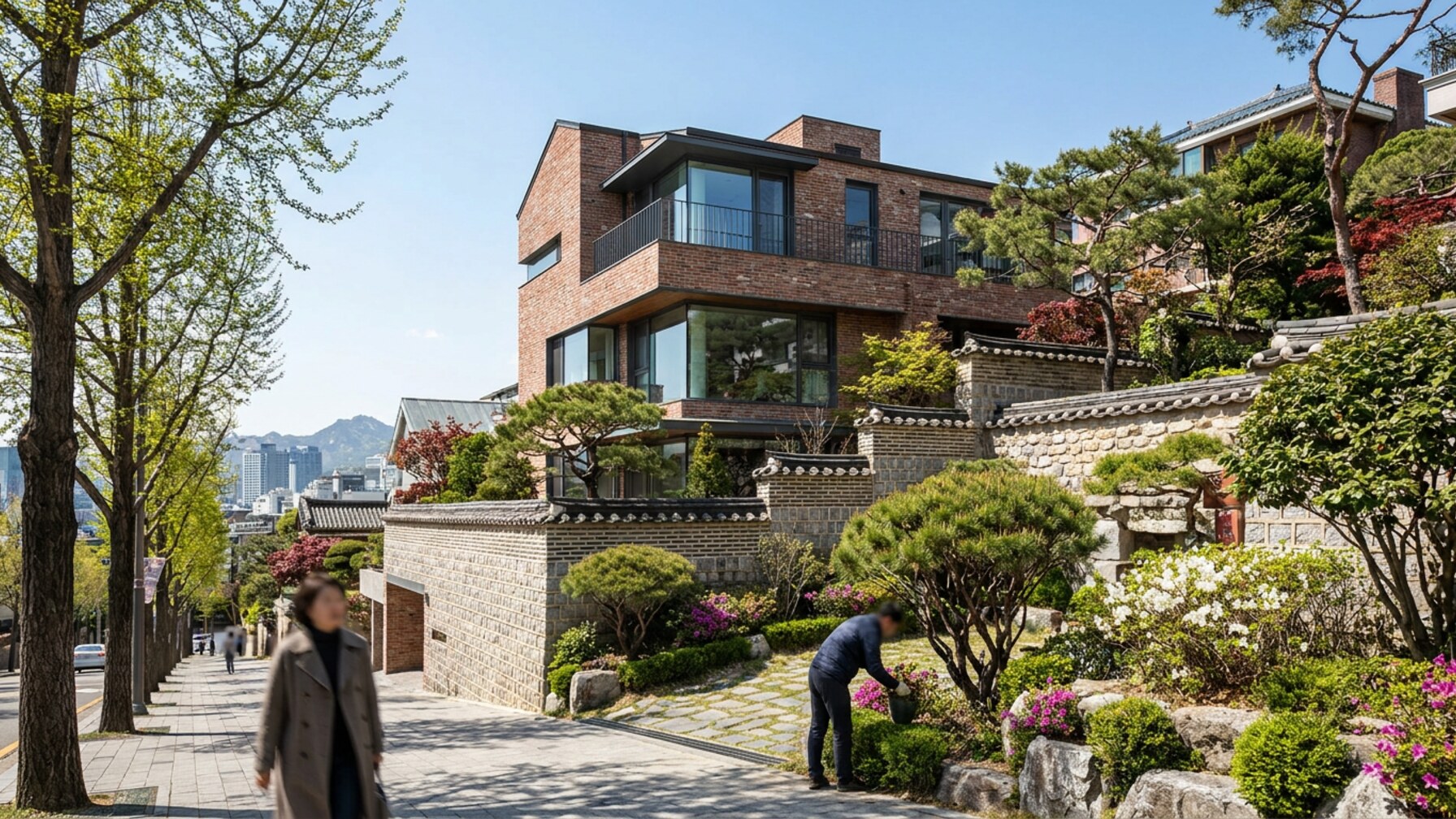
Soaring apartment prices in Seoul have fueled a fresh wave of interest in "rent-vesting"-the practice of renting where you want to live and buying property in more affordable areas. According to figures released by KB Kookmin Bank in June, the growing affordability gap between rents and sales prices has made this approach increasingly appealing to middle-income residents.
The surge in rent-vesting comes as Seoul remains one of Asia’s most expensive housing markets. With jeonse deposits and sale prices both hitting record highs this spring, many residents are calculating that it makes more financial sense to rent in central neighborhoods like Gangnam while purchasing investment properties on the edge of the city or in satellite towns such as Gimpo or Hwaseong.
A Tale of Two Markets in Seoul
Nowhere is the contrast starker than in neighborhoods like Apgujeong-dong and Seongsu-dong. A 59-square-meter apartment in Apgujeong Hyundai now sells for an average of KRW 3.6 billion, according to Naver Real Estate listings. Meanwhile, the average jeonse (long-term deposit) for the same unit runs about KRW 1.5 billion-still a steep sum by national standards, but a far cry from the eye-watering purchase prices. For a growing cadre of young professionals, the choice has become clear: rent in their preferred districts, and invest elsewhere.
Lee Min-ji, a 32-year-old working in IT, pays monthly rent for a one-bedroom near Hapjeong Station, while her cash goes into a small officetel in Gwangmyeong. Her reasoning is straightforward: "Getting on the housing ladder in central Seoul is unrealistic for me right now," she said at a recent forum hosted by the Korea Housing Institute in Mapo-gu. "But I don’t want to miss out on potential property gains." Other former buyers have similarly pivoted their focus, citing lifestyle flexibility and the potential to build equity outside the city core.
Numbers Behind the Trend
Bank of Korea data shows the average sale price for Seoul apartments jumped to a record KRW 1.34 billion in May 2026, a sharp increase from KRW 1.17 billion a year earlier. Meanwhile, rents for comparable units have only risen by about 5% over the same period. This has widened the so-called "price-to-rent ratio" in neighborhoods like Songpa-gu and Seocho-gu, making traditional homeownership less attainable. According to statistics from Real Estate 114, more than 11,000 new apartments are expected to be supplied in satellite towns this year, giving Seoulites more options for accessible investments.
Government programs such as the LH Corporation’s "Youth Leap Savings" (청년 도약계좌) offer additional incentives for first-time buyers willing to look outside the city center, providing subsidized mortgages for units in Incheon, Gyeonggi Province and other commuter districts. As a ripple effect, property brokers along the Bundang Line report increased inquiries for units in Wangsimni, Pangyo, and even as far as Suwon.
Those adopting the rent-vesting model should beware of the tradeoffs, experts warn. While renting in hot spots like Itaewon or Yeouido offers lifestyle perks and walkable commutes, being a long-distance landlord requires careful oversight-and can mean missing out on tax benefits reserved for primary residences. Investors are being advised to consult tax professionals, keep up with the Seoul Metropolitan Government’s evolving property rules, and think through contingency plans in the event that rents or home values shift unexpectedly.
For now, rent-vesting gives more flexibility to Seoul’s cash-strapped would-be homeowners. As prices show little sign of cooling-Hannam-dong’s landmark River Park complex set another record last month at KRW 5 billion per unit-the strategy looks set to remain a fixture for the city’s younger, more mobile residents trying to build long-term wealth. Those considering the move should carefully crunch the numbers, pay close attention to supply in satellite towns, and stay alert to ongoing policy changes after the National Assembly’s summer session.
This article is general information only and is not personal financial or investment advice. Consider your own circumstances and seek licensed professional advice before making financial decisions.