Politics
Seoul Congestion Pricing Referendum Adjusts Vehicle Fees in Central Zones, Raising Costs for Drivers From Outer Districts
The measure would apply daily charges to vehicles entering core business areas, directing revenue toward transit upgrades that serve daily riders across the city.
How we reported this
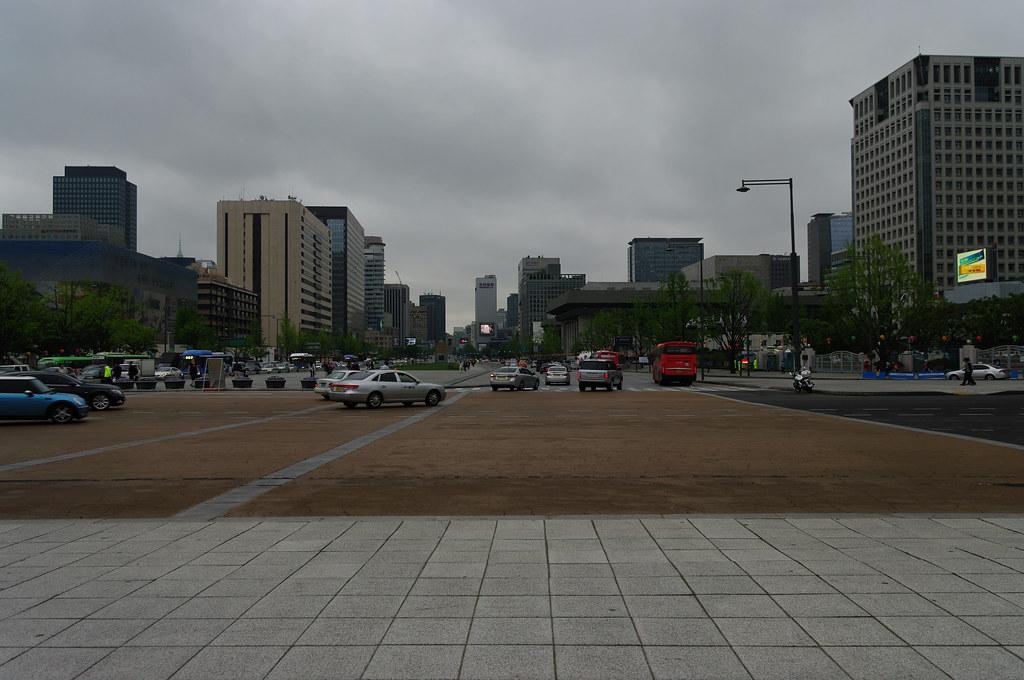
The Seoul Metropolitan Government has placed a congestion pricing referendum on the October ballot that would impose a daily fee on vehicles entering designated central zones during peak hours. Residents who commute by car from districts such as Nowon and Dobong would face the new charge, while those who rely on subway and bus lines stand to benefit from the dedicated revenue stream for service expansions.
Why the Referendum Matters Now
Traffic volumes in the Jongno and Jung districts have prompted the city to seek voter approval for a pricing system modeled on existing ordinances. The measure responds to documented pressure on road capacity and air quality readings recorded by the Seoul Environment Bureau in the first half of 2026. Passage would activate the fee structure beginning in the next fiscal year, with exemptions limited to emergency vehicles and certain commercial deliveries.
Local residents in central neighborhoods would see immediate effects on household budgets tied to vehicle use. Commuters driving into the priced zone from Gangseo or Guro would pay the charge each weekday, while households without cars in Mapo and Seodaemun would encounter no direct fee but could experience shorter bus wait times if the collected funds support additional routes. Small business owners inside the zone would continue operations under current delivery rules, yet those relying on customer parking would need to adjust logistics.
City budget documents for fiscal 2026 allocate existing transit subsidies without the new revenue source. Analysts reviewing the draft ordinance note that proceeds would be ring-fenced for capital projects on Lines 2 and 9 rather than general operations. This separation means the funds cannot offset other city services such as waste collection or park maintenance.
Next Steps for Voters
Ballots will be mailed to registered voters in late August, with polling stations open on October 10. The legislation requires a simple majority for implementation, after which the Seoul Transport Department would publish the final zone boundaries and payment methods. Residents can review the full text of the proposed ordinance on the city website before the vote.