Politics
Seoul Mayor Ties District Funding to Service Performance Against Busan, Daegu
The update ties performance scores under the national Local Government Benchmarking Framework to funding formulas that affect community centers and waste collection schedules in all 25 Seoul districts.
How we reported this
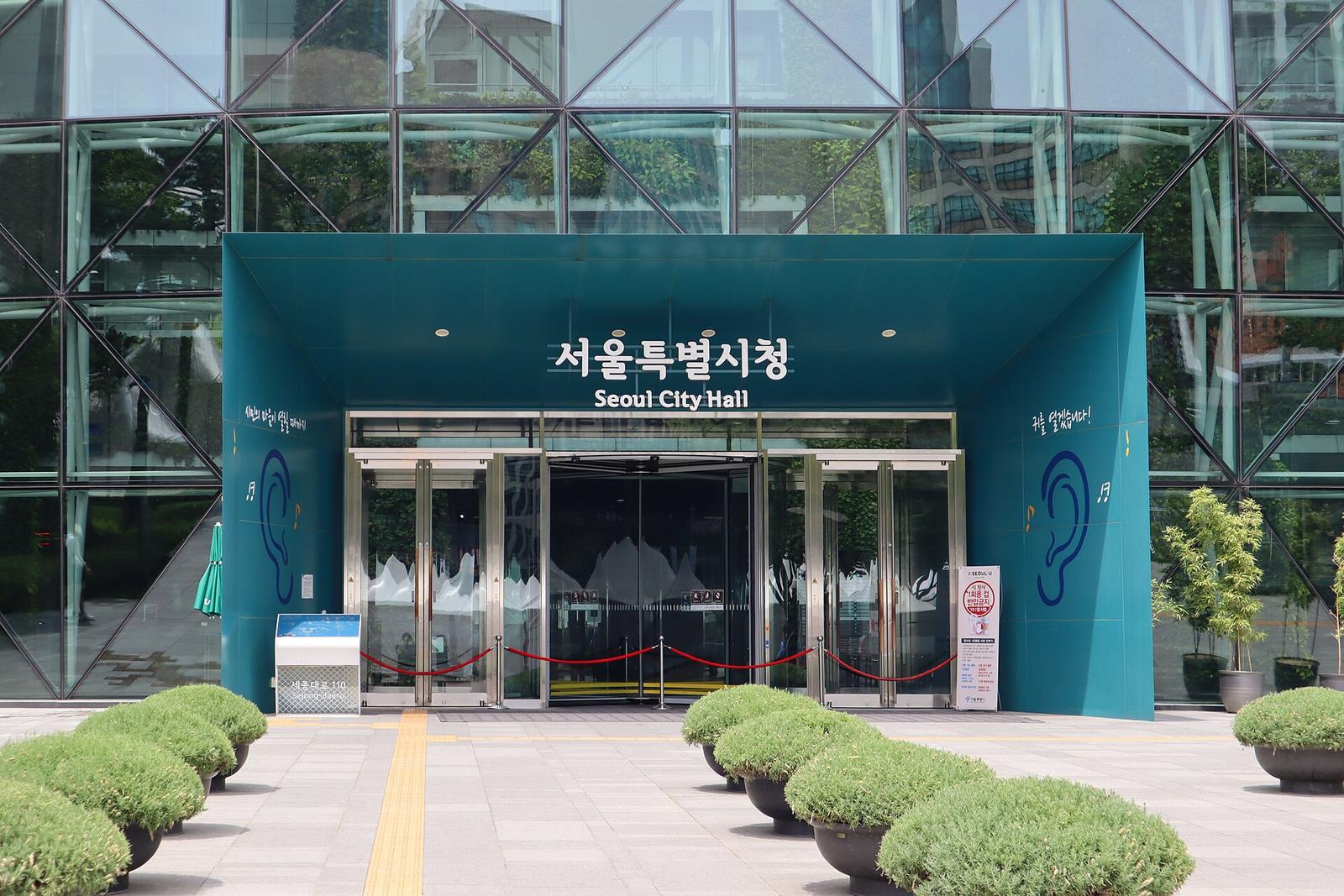
The Seoul Metropolitan Government issued its mid-year update on July 7 under the national Local Government Benchmarking Framework, which scores administrative efficiency in areas such as permit processing times and public facility maintenance. The framework applies the same indicators to Seoul, Busan, Daegu and Incheon, with Seoul recording a composite score of 78 out of 100 for the first half of 2026. District offices in Jongno, Mapo and Nowon will see their 2027 operating grants adjusted by up to 4 percent based on those scores.
Why the update arrives now
The Ministry of the Interior and Safety revised the benchmarking indicators in December 2025 to include real-time data on digital service uptake and emergency response intervals. Seoul officials completed their data submission on June 30, allowing the mayor’s office to publish district-level breakdowns before the August budget hearings. Policy analysts say the timing aligns with the central government’s requirement that all metropolitan cities submit comparable reports by the end of July.
Residents in Seocho and Songpa districts will notice changes first in community center operating hours, which are scheduled to shift by 30 minutes on weekdays starting in September if current scores hold. In Gwanak and Dobong, the same metrics affect the frequency of bulky-waste pickup routes, currently set at twice weekly. Local advocates note that households in these areas submitted 1.2 million service requests through the Seoul Smart City app in the first quarter of 2026, data the framework now weighs at 15 percent of the total score.
According to the 2026 Seoul municipal budget ordinance approved in December 2025, district-level grants total 3.8 trillion won, of which 620 billion won are performance-linked. The update projects that districts scoring above 82 will receive an additional 1.5 percent allocation, while those below 74 will see a corresponding reduction. Busan recorded 74 and Daegu 71 on the same indicators, figures the Seoul report cites for direct comparison.
Next steps for implementation
District councils must submit revised service plans by August 15 that incorporate the new scores. The government says the policy will require quarterly progress reports beginning in October, with final adjustments published in the 2027 budget bill. Residents can review individual district scorecards on the Seoul Open Data Plaza starting July 10.