culture
Gyeongbokgung’s Northern Palace Story Begins in 1395
Gyeongbokgung Palace in Jongno was built in 1395 as Joseon’s official palace and retains pavilions, a pond and halls tied to the dynasty.
Listen in English · 4 min
How we reported this
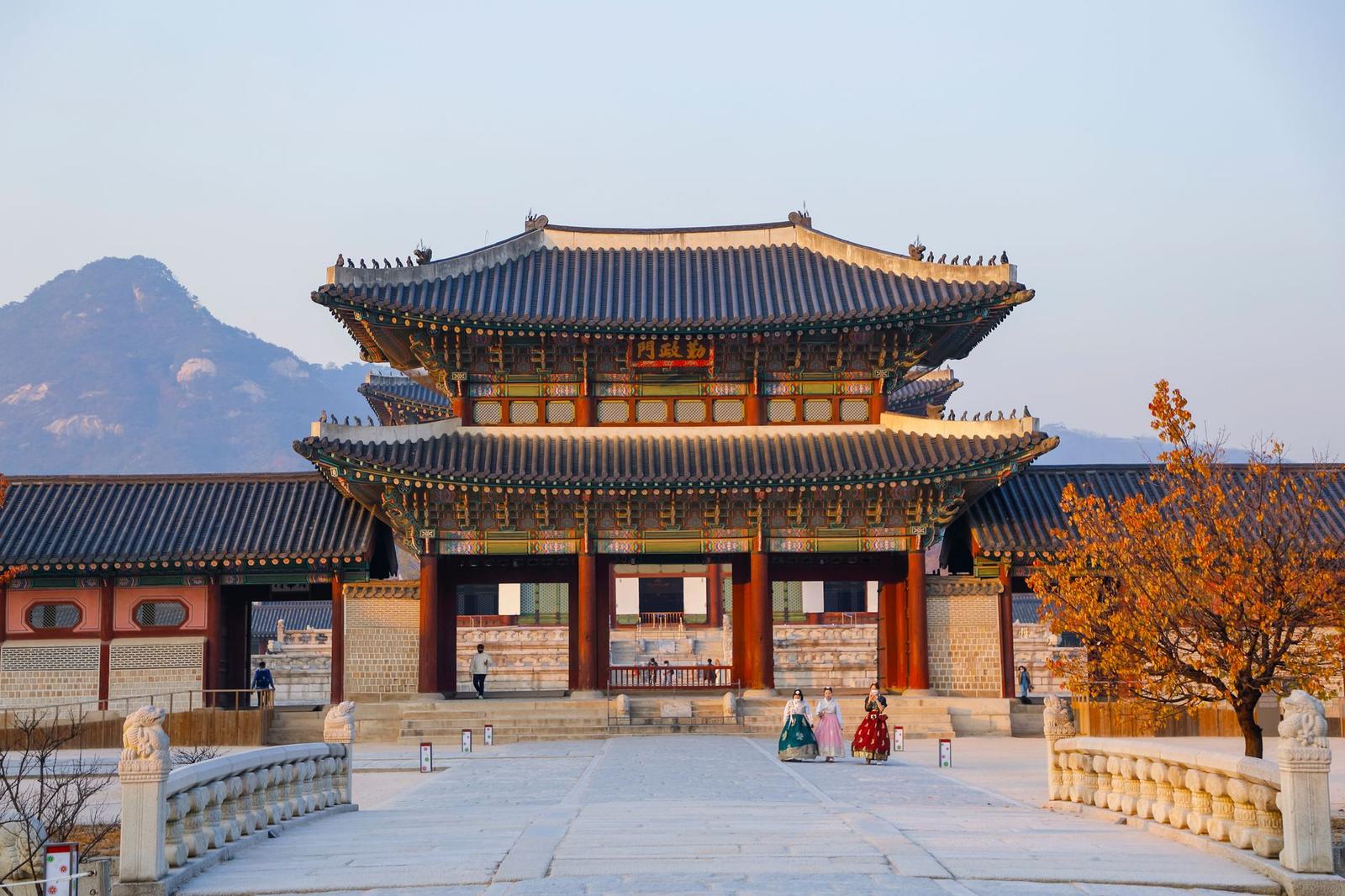
Gyeongbokgung Palace gives Seoul a different palace story from Changdeokgung. The Korea Tourism Organization dates its construction to 1395, when it was built as the official palace of the Joseon dynasty by Yi Seong-gye, the future King Taejo and founder of the new regime.
The palace is commonly called the Northern Palace because of its position north of Changdeokgung and west of Gyeonghuigung. That geographic name helps place Gyeongbokgung within Jongno’s group of royal sites rather than presenting it as an isolated monument.
The complex also carries the record of destruction and restoration. The premises were destroyed by fire during the Imjin War from 1592 to 1598. The palace buildings were later restored under Heungseondaewongun during the reign of King Gojong.
Several surviving features organise a visit. Gyeonghoeru Pavilion is described as an example of Joseon architecture, while Hyangwonjeong Pavilion and its pond form another named setting. The sculptures in Geunjeongjeon Hall are linked by the listing to Joseon-era sculpture techniques.
Gyeongbokgung is at 161 Sajik-ro, Jongno-gu, Seoul. For the November to February period, the listed hours are 09:00 to 17:00, with last admission at 16:00. The seasonal schedule is a useful detail to check before planning a winter palace walk.
The area also includes the National Palace Museum of Korea outside Heungnyemun Gate and the National Folk Museum of Korea on the eastern side of Hyangwonjeong Pavilion. Their presence makes the palace precinct part of a wider culture route, while the palace itself remains the article’s focus.
A visit can therefore begin with the 1395 foundation, move through the named halls and pavilions, and finish with the restoration history. These details provide a narrative distinct from a rear-garden itinerary and keep the article centred on Gyeongbokgung’s own buildings.
For Seoul visitors, the official listing offers a durable plan: Jongno address, Northern Palace geography, a 1395 origin, a fire-and-restoration history and named architectural features. The winter hours add one operational fact without turning the article into a temporary events calendar.
The official listing supplies the address and visit details used here; this draft adds no programme, price or claim beyond that page.
For a Seoul itinerary, this is enough information to make a deliberate choice about timing and focus. The reader can decide whether the visit is mainly about the collection, the family learning space or the outdoor setting, then use the official schedule as the final practical reference before travelling.
The result is a grounded local guide built from the venue listing, not a forecast of changing programmes or conditions.