culture
Leeum in Hannam Puts Buildings and Collections in One Visit
Leeum, Samsung Museum of Art brings traditional Korean art and modern international work together across three architect-designed buildings in Yongsan.
Listen in English · 4 min
How we reported this
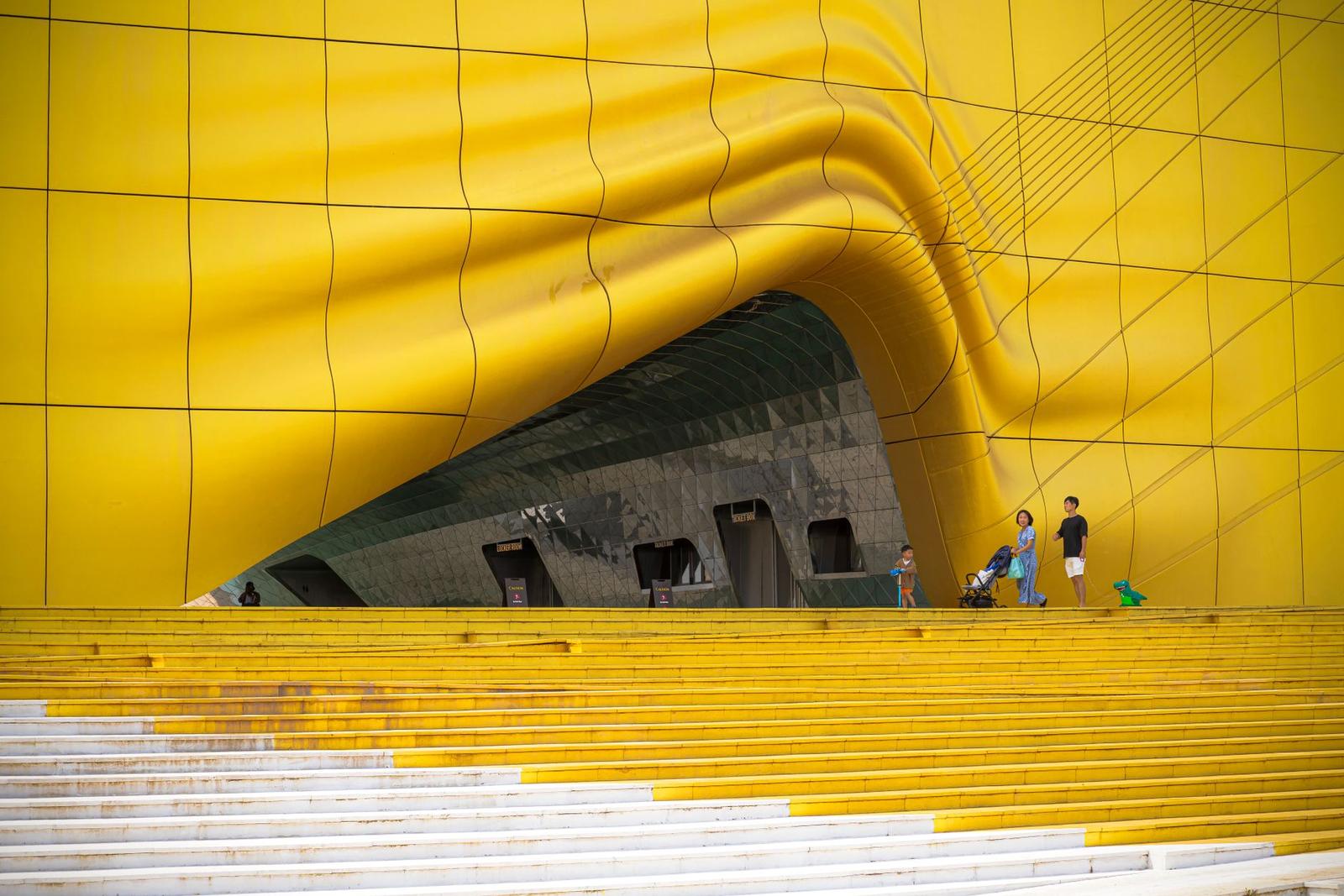
Leeum, Samsung Museum of Art gives Seoul visitors two ways to think about a museum visit. The Korea Tourism Organization describes its collections as traditional and modern art by Korean and international artists, while the museum’s own buildings form part of the experience.
The three buildings were designed by Mario Botta, Jean Nouvel and Rem Koolhaas. That architectural detail is useful because it explains why the visit is not simply a sequence of interchangeable rooms. The building design is part of the venue description provided by the official listing.
Inside, MUSEUM 1 houses traditional Korean art. The listed examples are calligraphy, paintings, ceramic arts and metal craftwork. MUSEUM 2 takes a different direction, displaying modern and contemporary art by Korean and international artists.
The split between the two museums gives a Seoul art itinerary a simple structure. A visitor interested in Korean traditional forms can begin with MUSEUM 1, then move to MUSEUM 2 for the modern and contemporary collection. No temporary exhibition calendar is needed to explain the basic visit.
Leeum is at 60-16 Itaewon-ro 55-gil, Yongsan-gu, Seoul, in Hannam-dong. The listing gives hours of 10:30 to 18:00 and says last admission is 30 minutes before closing. Those details are the main operational points to check before setting out.
The listed holidays are Mondays, New Year’s Day, Seollal and Chuseok holidays. A visitor planning a Seoul museum day should therefore separate the regular 10:30 to 18:00 schedule from the holiday note rather than treating the venue as open every day.
The address places Leeum in Yongsan’s Hannam-dong, making it a distinct stop from the large public museum route around Seobinggo-ro. The KTO listing’s collection split also gives the visit a clear internal order without adding unverified current-show information.
Leeum works as a compact art-and-architecture plan: three named architects, two collection directions and one Hannam address. The official listing supports those concrete details, along with the hours and last-admission rule, so the article can remain useful while avoiding temporary exhibition claims.
The official listing supplies the address and visit details used here; this draft adds no programme, price or claim beyond that page.
For a Seoul itinerary, this is enough information to make a deliberate choice about timing and focus. The reader can decide whether the visit is mainly about the collection, the family learning space or the outdoor setting, then use the official schedule as the final practical reference before travelling.
The result is a grounded local guide built from the venue listing, not a forecast of changing programmes or conditions.