finance
Remote Work Reshapes Seoul's Talent Competition as Office Vacancies Rise
As premium office space empties across Gangnam and Jongno-gu, Seoul's employers face a fundamental shift in how they recruit, retain and structure their workforce.
Listen in English · 4 min
How we reported this
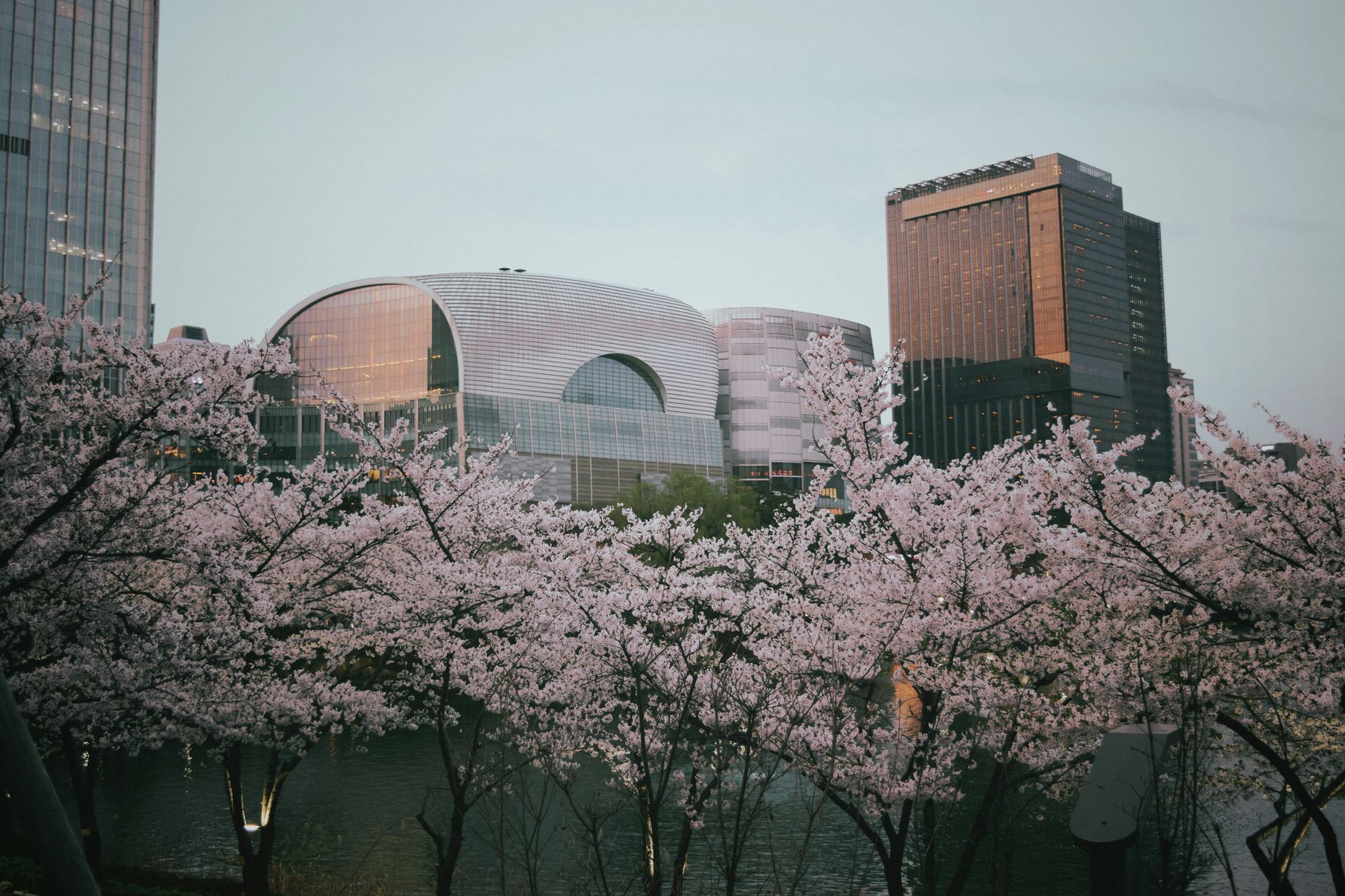
The gleaming towers of Gangnam's office district tell a story Seoul's business establishment would rather not broadcast. Vacancy rates in prime commercial real estate have climbed to 8.2 percent-the highest in over a decade-while landlords in the Yeouido financial hub are cutting rents by up to 15 percent to retain tenants. The shift signals far more than a simple market correction; it represents a seismic recalibration of how Seoul's most ambitious companies think about talent, location and workplace culture.
The numbers are stark. According to industry analysts, demand for traditional office space in central Seoul has contracted by roughly 23 percent since 2024, even as smaller flex-work operators have leased entire buildings in secondary districts like Hongdae and Mapo-gu. The shift accelerated dramatically as major financial services firms, tech companies and consulting houses-long the lifeblood of Seoul's premium real estate market-embraced hybrid arrangements and decentralized team structures.
For the city's talent market, the implications are profound. Historically, Seoul's best talent clustered in visible proximity to corporate headquarters. A coveted address in Gangnam's Teheran-ro corridor signaled prestige and career momentum. That gravitational pull is weakening. Younger professionals increasingly prioritize commute flexibility and lifestyle amenities over the status of their employer's office address. Companies are responding by shifting recruitment strategies, opening satellite offices in emerging neighborhoods and competing less on location prestige and more on work autonomy and career development.
The disruption cascades outward. Property owners are converting vacant office floors into residential units, co-working spaces and mixed-use developments-a trend particularly visible around Gangnam Station and along the Bundang Line. This reshapes not only the commercial landscape but the very neighborhoods where Seoul's workforce wants to live and work.
Human resources leaders report a genuine shift in hiring conversations. Candidates now ask about remote policies before discussing salary. Companies without flexible arrangements struggle to attract senior talent, particularly those with families seeking better work-life balance outside the traditional corporate pressure cooker. The advantage has tilted toward organizations agile enough to offer distributed team models.
Yet challenges remain. Older conglomerates with deeply embedded hierarchical cultures resist the transition. And Seoul's intense competitive environment means some sectors-investment banking, law, certain government-linked roles-still demand physical presence as a proxy for commitment and status.
As Seoul's commercial real estate adjusts, the city's most prescient employers recognize the real transformation: they're no longer competing primarily for office square footage, but for flexibility, trust and a workforce that increasingly defines opportunity differently than their predecessors did.
This article was compiled by AI and screened before publishing. See our editorial standards.
This article is general information only and is not personal financial or investment advice. Consider your own circumstances and seek licensed professional advice before making financial decisions.